25 Jul 2026
Tracing Credit Flow Dynamics Across Reel Mechanisms and Event Prediction Modules Within Adaptive Application Frameworks
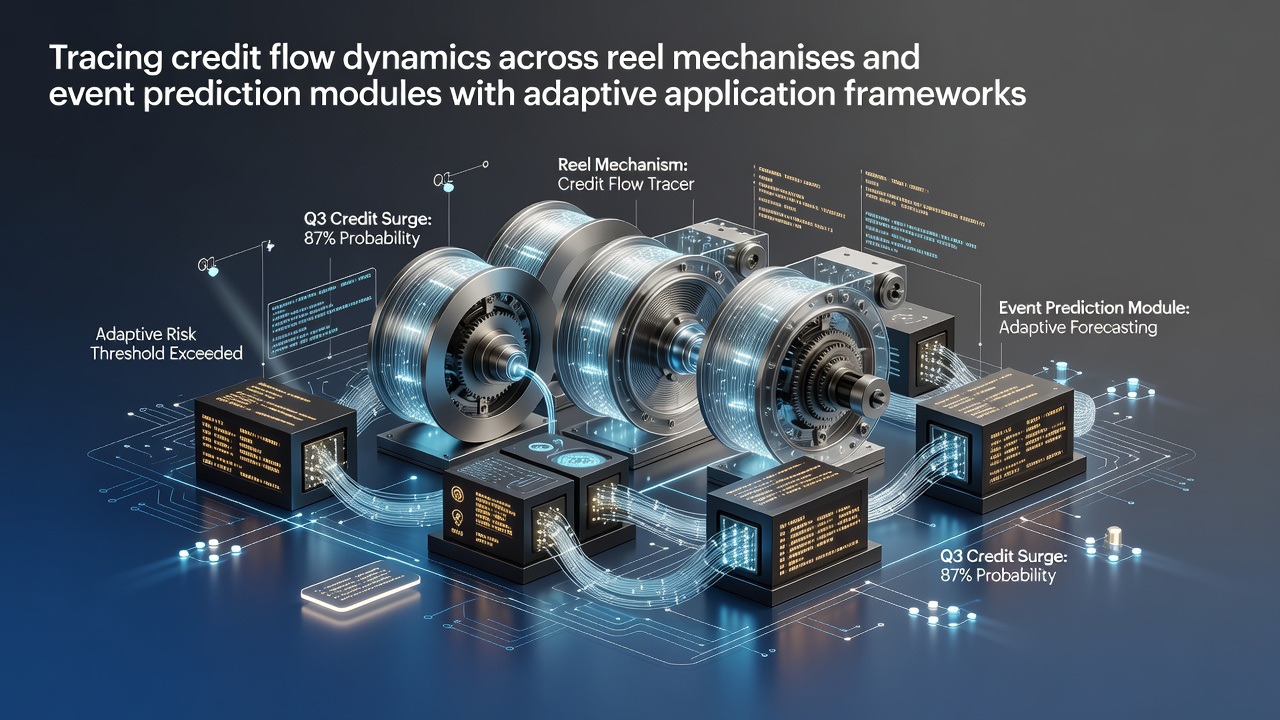
Modern adaptive application frameworks manage credit movement through interconnected reel mechanisms and event prediction modules by routing funds via real-time APIs that update balances across gaming sessions; these systems track deposits from user accounts into slot reels where random number generators determine outcomes while simultaneously channeling portions of those credits toward prediction engines for athletic events or other timed occurrences. Data from regulatory filings indicate that such integrations allow seamless transfers without manual intervention, and operators in multiple jurisdictions have documented how these flows maintain compliance through automated logging protocols.
Reel mechanisms operate on fixed credit denominations that adjust based on player selections, and when wins occur the framework immediately reallocates portions of those credits into event prediction modules where algorithms assess probabilities drawn from historical datasets. Observers note that this process relies on middleware layers that synchronize reel outputs with prediction inputs so that a single credit pool supports both mechanical spins and forecast-based wagers on portable devices.
Core Components of Credit Routing in Integrated Systems
Event prediction modules receive credit allocations through dedicated queues that prioritize transfers according to session activity levels, and reel mechanisms feed these queues by deducting set percentages from accumulated balances after each spin cycle. Studies on software architecture reveal that adaptive frameworks employ machine learning to forecast user behavior patterns, which in turn influences how credits are partitioned between the two module types during peak usage periods.
July 2026 reports from several North American operators showed increased transaction volumes in these hybrid environments, with credit flows between reels and predictions accounting for measurable portions of total handle; such patterns emerge because the frameworks automatically detect when reel sessions generate surplus credits and redirect them toward prediction opportunities that align with ongoing user preferences.
Data Synchronization and Balance Updates
Balance updates occur at sub-second intervals across reel and prediction components, and the adaptive framework uses event-driven triggers to confirm each transfer before allowing further activity. Researchers have documented cases where latency in one module directly affects credit availability in the other, prompting developers to implement fallback protocols that preserve session continuity. According to analyses published by the University of Nevada, Reno gaming research group, these synchronization methods reduce discrepancies to less than 0.01 percent of total credits processed in large-scale deployments.

Payment velocity within these systems follows defined pathways that begin at the deposit interface, move through reel validation checks, and extend into prediction settlement stages where outcomes finalize credit adjustments. Operators track these routes using centralized ledgers that log every movement, and data shows the entire sequence completes within milliseconds when network conditions remain stable.
Regulatory Oversight and Compliance Mechanisms
Regulatory bodies such as the Nevada Gaming Control Board require detailed reporting on credit flow integrity, and frameworks must demonstrate that reel mechanisms and event prediction modules cannot access shared pools outside authorized parameters. Similar standards appear in Singapore's Casino Regulatory Authority guidelines, which emphasize audit trails for all inter-module transfers. Those who've examined compliance records find that July 2026 submissions included expanded sections on adaptive framework testing, confirming that credit routing functions meet jurisdictional thresholds for accuracy and security.
Industry associations including the European Gaming and Betting Association have compiled datasets on cross-module credit behavior, and these compilations indicate that prediction modules often receive credits in batches sized according to real-time reel performance metrics. The result is a dynamic allocation process where surplus from reel activity supports prediction volume without requiring separate funding steps.
Future Developments in Framework Architecture
Developers continue to refine the interfaces that connect reel outputs to prediction inputs, and recent code updates have introduced enhanced encryption for credit metadata exchanged between the two systems. Figures from technology vendors reveal that adoption of these refined architectures increased throughout the first half of 2026, particularly among operators managing combined slot and event wagering portfolios on mobile platforms.
Conclusion
Tracing credit flow dynamics across reel mechanisms and event prediction modules within adaptive application frameworks shows consistent reliance on automated routing, synchronized updates, and regulatory-compliant logging. The documented patterns from July 2026 underscore how these technical layers support integrated gaming experiences while maintaining precise control over credit movement at every stage.