7 Jul 2026
Seasonal Timing Cues Directing Sequence Planning Across Athletic Forecasts and Strategy Card Modules in Wireless App Environments
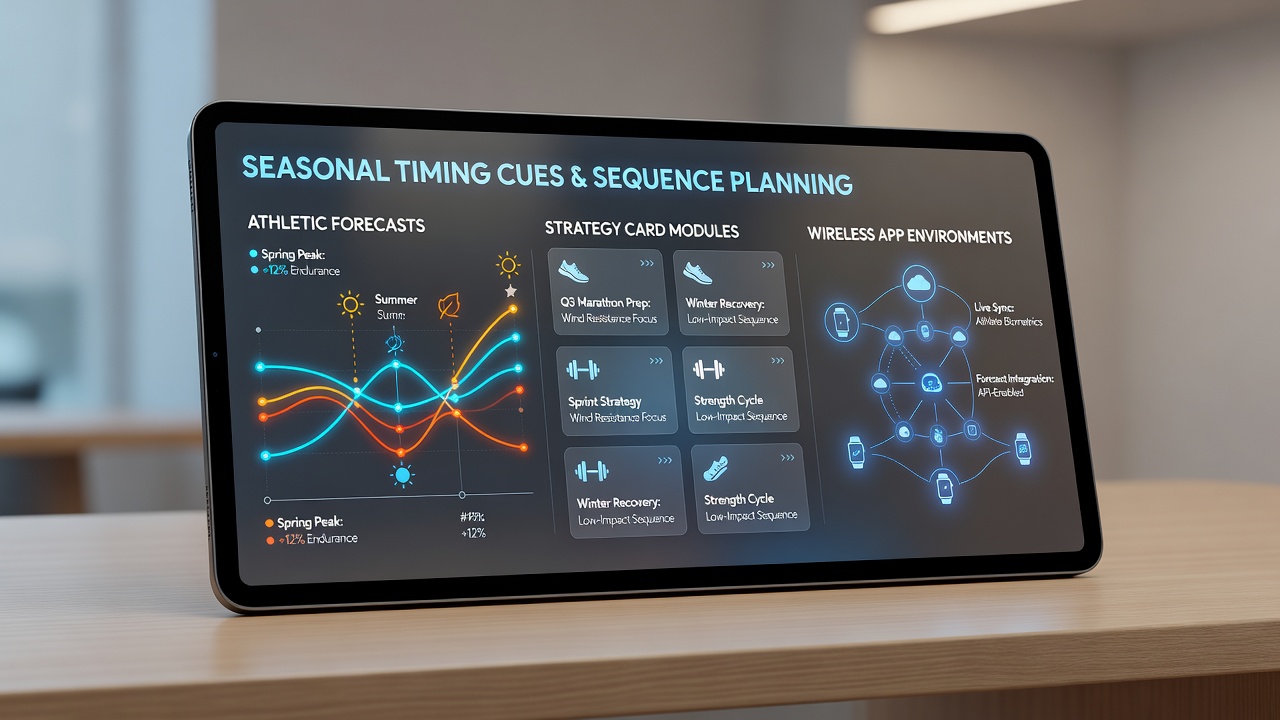
Seasonal timing cues shape how users organize their decisions within wireless applications that combine athletic forecasts with card-based strategy modules, and data from multiple regions shows these patterns emerging through user interaction logs collected across different months of the year.
How Seasonal Patterns Influence Sequence Planning
Observers note that changes in daylight length and temperature correlate with shifts in how individuals allocate time between forecasting athletic events and executing card sequences in the same mobile session. Research conducted by institutions in Canada and Australia indicates that winter months often produce longer dwell times on forecast modules while summer periods see increased transitions into card strategy sections, and these movements follow consistent rhythms tracked by application analytics platforms.
Applications register these transitions through timestamped logs that capture when users move from one module to another, and the resulting datasets reveal that external seasonal markers such as precipitation forecasts or holiday calendars align with adjustments in planning sequences.
Athletic Forecast Adjustments Across Seasons
Athletic forecast sections within wireless environments incorporate real-time environmental variables that change with seasons, and developers integrate weather data feeds so that sequence planning accounts for variables such as wind speed during outdoor events or surface conditions on playing fields. Figures from regulatory bodies in several jurisdictions demonstrate that these integrations occur through application programming interfaces updated at regular intervals, allowing sequence planners to reorder their selections based on the latest seasonal inputs without leaving the mobile interface.
During periods when major athletic calendars shift, such as the transition from winter leagues to summer competitions, users encounter prompts that reflect these calendar changes directly inside the forecast modules, and the prompts guide the order in which predictions are entered.
Card Strategy Module Responses to Timing Cues
Strategy card modules respond to the same seasonal timing cues by altering available decision trees and payout structures that appear on screen. Data compiled through industry reports shows that session lengths in card modules lengthen during months when athletic events occur less frequently, creating space for more deliberate sequence execution within the same application environment.
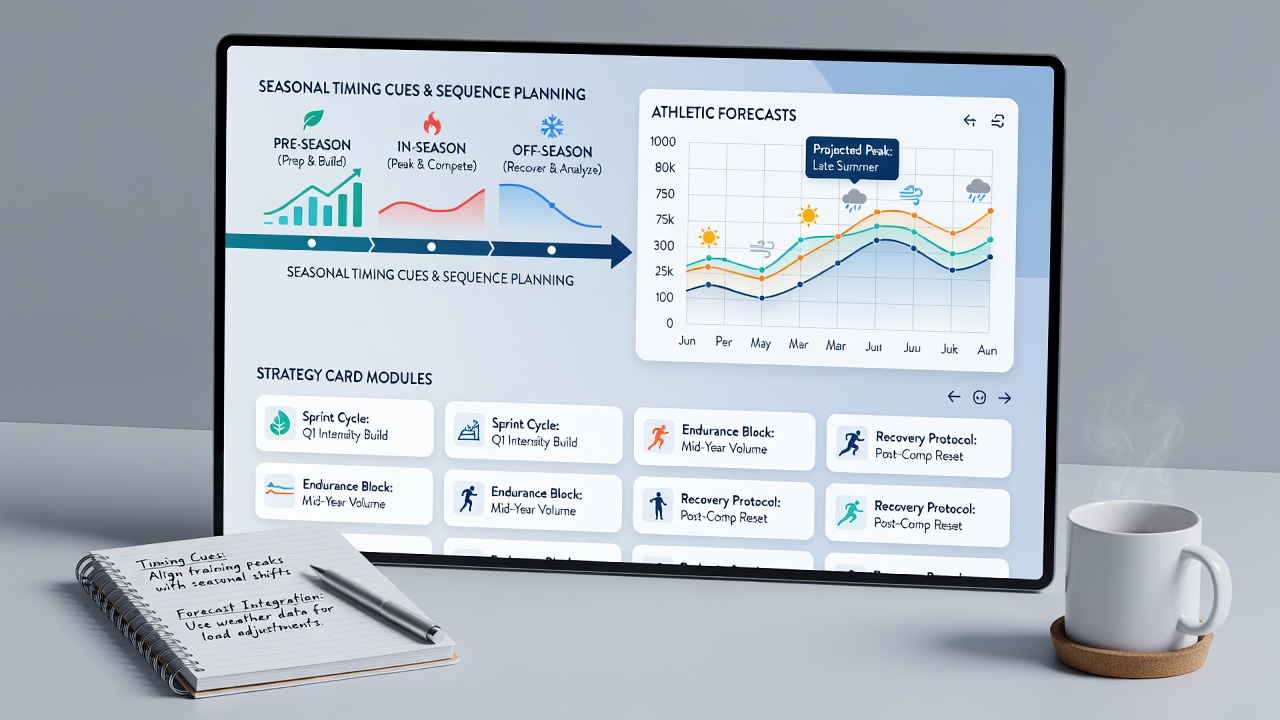
Developers embed seasonal reference points into the logic that determines which card combinations receive priority display, and these references draw from aggregated user behavior collected over multiple annual cycles. In July 2026, updates to several prominent wireless platforms incorporated refined seasonal filters that further aligned card sequence options with concurrent athletic schedules, according to documentation released by the platforms themselves.
Wireless Environment Integration Mechanisms
Wireless applications maintain continuous connections between athletic forecast sections and card strategy modules through shared user account layers, and these layers record the sequence order chosen by individuals at different times of the year. Studies published by research groups in the European Union and Singapore demonstrate that the integration relies on timestamp synchronization so that seasonal cues detected in one module automatically inform display priorities in the other.
Application logs indicate that transitions between modules occur more smoothly when seasonal data has already been pre-loaded, reducing the number of manual adjustments required from users during active sessions.
Observed Patterns in July 2026
Records gathered in July 2026 across multiple wireless platforms show elevated activity in athletic forecast modules coinciding with international summer competitions, while card strategy modules experienced steadier engagement during evening hours when seasonal daylight extended further into the night. These patterns emerged without direct prompting from operators, arising instead from the cumulative effect of timing cues embedded in the application code.
Regulatory summaries released by authorities in Australia and South Africa during the same period confirm that such seasonal alignments remain within established operational parameters for mobile gaming environments.
Conclusion
Seasonal timing cues continue to direct sequence planning across athletic forecasts and strategy card modules by supplying consistent external reference points that applications translate into ordered decision flows. The mechanisms remain measurable through timestamp analysis and environmental data integration, and they produce repeatable patterns across successive annual cycles in wireless environments.