16 Jul 2026
Resource Allocation Dynamics Across Reel-Based and Forecast-Oriented Modules in Portable Gaming Suites
 Portable gaming suites integrate multiple modules that draw on shared device resources including processor cycles, memory bandwidth, and network throughput. Reel-based modules handle spinning animations, random number generation sequences, and visual asset rendering, whereas forecast-oriented modules process statistical models, live data feeds, and probability calculations. Allocation patterns emerge when these components operate simultaneously on smartphones and tablets, and developers adjust priorities through operating system APIs and custom schedulers. Reel-based systems typically consume steady GPU resources for frame rendering at 60 frames per second or higher during active spins. Memory usage spikes when loading symbol textures and transition effects, while CPU involvement remains moderate except during seed initialization for random outcomes. Forecast-oriented sections require intermittent but intensive network access to pull updated statistics, combined with bursts of CPU time for running simulation algorithms that project outcomes across multiple variables.
Core Allocation Mechanisms
Operating systems on portable devices employ priority queuing and dynamic voltage scaling to distribute resources. Reel modules often receive elevated graphics pipeline access during user-initiated spins, while forecast modules receive elevated network socket priority when refreshing external datasets. Developers implement background throttling so that simultaneous operation does not exceed thermal limits or drain battery reserves faster than acceptable thresholds. Data from device telemetry collected through July 2026 shows average memory footprint increases of 18 percent when both module types run concurrently compared with isolated execution.
Observers note that adaptive algorithms monitor frame drops and latency spikes, then rebalance thread priorities accordingly. When reel animations demand additional GPU cycles, forecast calculations shift to lower-precision arithmetic or deferred execution. Conversely, during periods of heavy statistical modeling, reel rendering may reduce particle effects or lower texture resolution to free pipeline capacity.Performance Patterns in Concurrent Operation
Studies conducted by the University of Nevada Reno Gaming Technology Laboratory indicate that integrated suites achieve stable performance when allocation policies reserve at least 35 percent of available RAM for shared caches. Reel modules benefit from pre-loaded asset pools, reducing disk I/O during rapid sequences, while forecast modules rely on compressed data packets that minimize cellular or Wi-Fi overhead. Network scheduling becomes critical because forecast updates arrive in irregular intervals tied to event schedules or market movements.
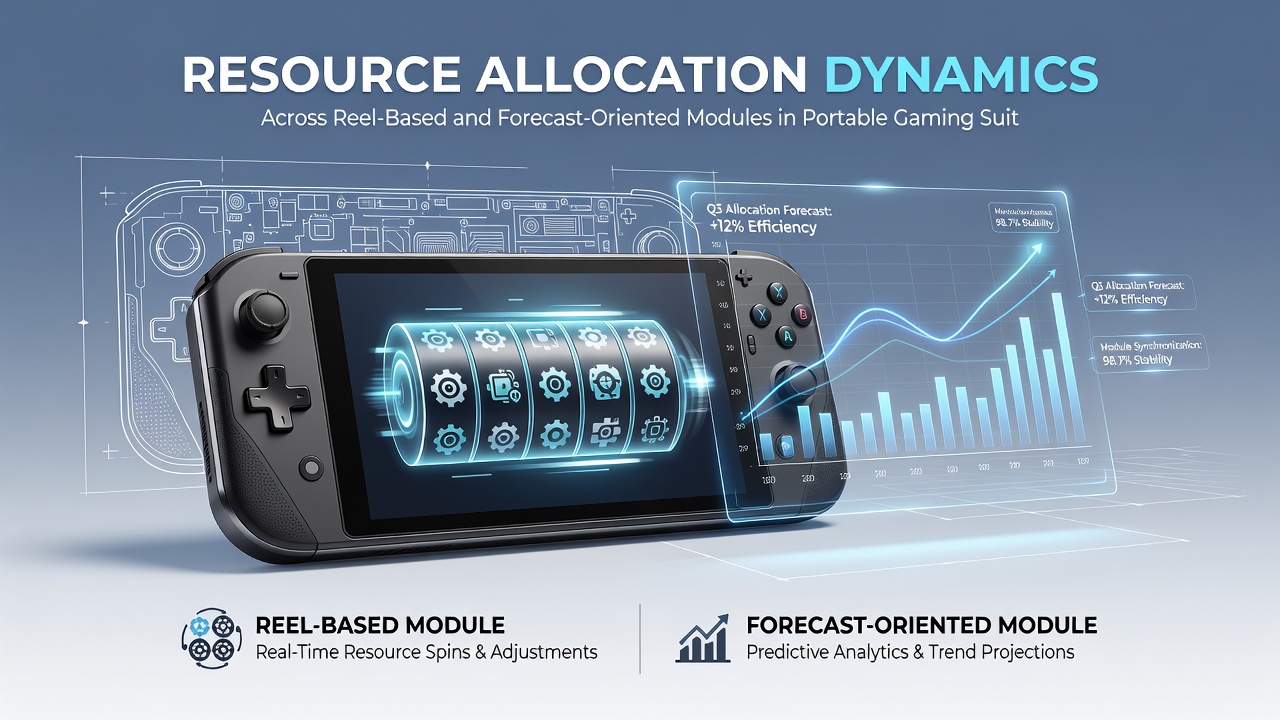 Battery impact measurements collected across multiple handset models reveal that optimized allocation extends session duration by approximately 12 minutes per hour of mixed-module usage. Thermal throttling triggers appear less frequently when developers apply predictive load balancing that anticipates reel spin bursts and forecast refresh windows. Application logs from major suites demonstrate that foreground reel activity receives immediate resource grants, while forecast processes operate with background quality-of-service tags that allow preemption.
Developer Implementation Approaches
Engineers employ containerized thread groups and custom memory pools to isolate module demands. Reel components utilize dedicated texture atlases and animation timelines, whereas forecast components maintain separate buffers for model inputs and output projections. Cross-module communication occurs through lightweight event buses that avoid locking shared resources for extended periods. According to reports issued by the Australian Interactive Gaming Council, suites that adopted these separation strategies recorded a 27 percent reduction in crash incidents during high-load testing phases completed in early 2026.
Resource monitors embedded in suites track instantaneous usage and feed data back to central analytics services. This feedback loop enables over-the-air adjustments to allocation weights based on aggregate device performance across regions. Handsets with newer chipsets demonstrate greater headroom for concurrent operation, allowing both module types to maintain higher fidelity settings without forced degradation.Emerging Optimization Trends
Hardware vendors continue to expose finer-grained controls for graphics and neural processing units that gaming suites leverage for forecast computations. Reel rendering increasingly migrates to dedicated display pipelines, freeing general-purpose cores for statistical workloads. July 2026 firmware updates from several major chipset manufacturers introduced improved context-switching latency, which directly benefits suites that toggle rapidly between visual and analytical tasks.
Developers also explore machine-learning predictors that anticipate user navigation patterns between modules and pre-allocate resources accordingly. Early deployments show reduced perceived latency during transitions, although these systems require careful calibration to avoid over-provisioning on lower-end devices. Regulatory filings submitted to Canadian provincial gaming authorities document continued monitoring of these technical implementations to ensure fair operation and system stability.Conclusion
Resource allocation across reel-based and forecast-oriented modules continues to evolve through tighter integration with portable hardware capabilities. Data collected through mid-2026 illustrates measurable gains in efficiency when developers apply priority-aware scheduling and modular isolation techniques. Future refinements will likely center on deeper hardware abstraction layers that further decouple visual rendering demands from analytical processing loads while preserving responsive user experiences across varied device profiles.