19 May 2026
Payment Velocity Patterns Reshaping Strategy Choices in Combined Athletic and Card-Based Sessions
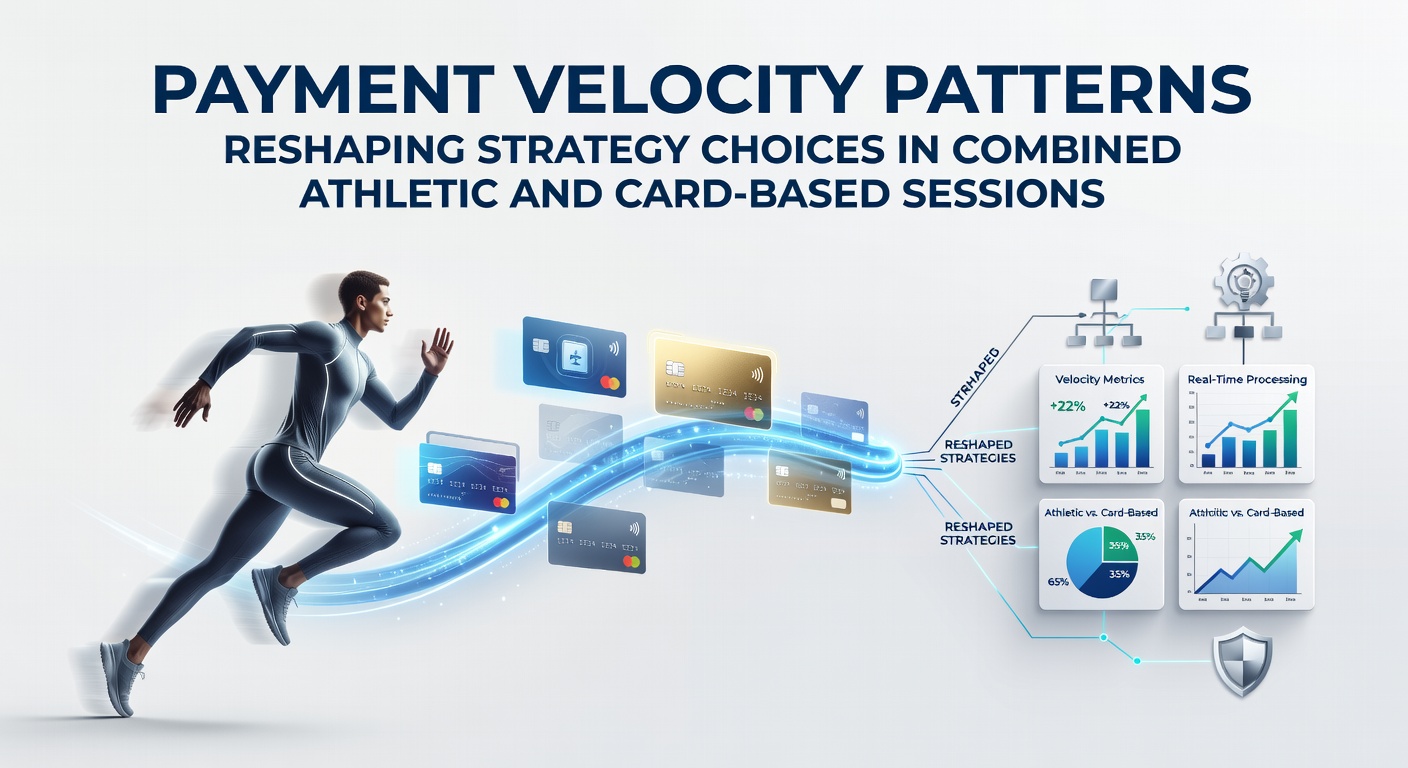 Observers note that payment velocity patterns now influence how participants manage funds during sessions that blend athletic betting with card-based play. Data from industry monitoring groups indicate transaction speeds have accelerated across platforms that support both live sports wagers and table games such as blackjack or poker. Those patterns emerge when users move balances quickly between accounts tied to athletic events and card modules on the same interface. Research indicates that average transfer times dropped below fifteen seconds in many systems by early 2026. This shift allows players to adjust positions mid-session without waiting for traditional banking cycles. Figures released in May 2026 from the Nevada Gaming Control Board show a thirty-four percent rise in same-session fund movements compared with the prior year. Those movements occur most frequently during combined sessions where users switch from tracking a basketball game to entering a poker hand within minutes.
Observed Patterns in Transaction Timing
Patterns appear when high-velocity deposits coincide with live athletic moments such as halftime adjustments or injury reports. Participants often initiate card-game bets immediately after confirming sports payouts, which creates clustered activity spikes between five and eight minutes apart. Studies conducted by the University of Nevada Reno gaming research lab found that sessions incorporating both athletic and card elements recorded an average of 2.8 internal transfers per hour when velocity tools remained active.
Yet the same data sets reveal slower patterns during periods of lower athletic volatility. Users tend to pause transfers while waiting for final sports outcomes before committing larger card-game stakes. This creates measurable gaps that platform operators track through timestamp analytics. Those gaps average twelve minutes in length according to aggregated logs examined across multiple operators.
Strategy Adjustments Driven by Faster Movement
Experts observe that quicker fund movement prompts revised bankroll allocation rules. Instead of locking portions for an entire evening, participants divide resources into smaller tranches that can shift between athletic odds and card probabilities. One documented case involved a user group that reduced average sports bet sizes by eighteen percent while increasing card-game entry fees proportionally after adopting instant transfer features.
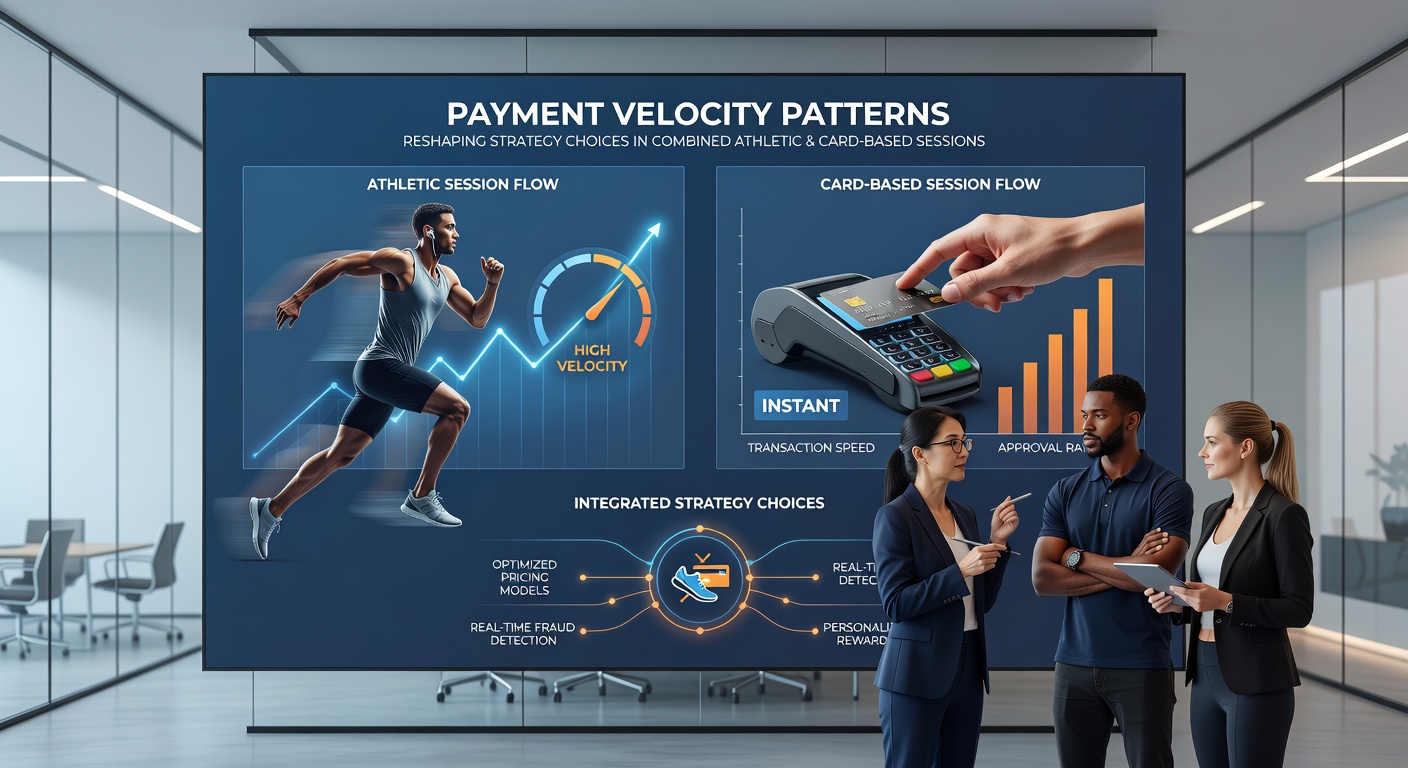
Those adjustments appear most pronounced in mobile environments where push notifications alert users to completed transfers. Research from the European Gaming and Betting Association documents similar behavior across platforms serving mixed athletic and card audiences. The association reported that users who activated velocity settings completed thirty-one percent more cross-product decisions per session than those relying on standard withdrawal queues.
Regional Data and Regulatory Context
Canadian provincial regulators published comparable findings in their 2026 quarterly review. Ontario's iGaming market recorded a twenty-seven percent increase in hybrid session frequency once payment rails supported sub-minute movement between sportsbooks and card rooms. Analysts there linked the rise directly to reduced friction at the account level rather than changes in game rules or promotional offers.
Platform designers respond by embedding velocity dashboards that display real-time balance availability across athletic and card sections. These tools allow users to view pending athletic settlements alongside available card-game credit without leaving the active session window. Data indicates such visibility correlates with fewer abandoned card entries following sports results.
Impact on Session Duration and Product Mixing
Longer combined sessions emerge when velocity remains high. Participants extend play windows because they avoid the psychological barrier of separate funding steps. Figures from the Australian Communications and Media Authority show average hybrid session length reached forty-nine minutes in March 2026 compared with thirty-eight minutes the previous year. The extension occurs alongside stable total spend per user, suggesting redistribution rather than increased overall outlay.
Operators note that card-based segments benefit when athletic outcomes release funds rapidly. A user finishing a profitable wager on a soccer match can immediately apply part of the return to a live dealer blackjack table. This sequencing reduces idle time and maintains engagement across both product categories within a single login period.
Conclusion
Payment velocity patterns continue to influence how users structure decisions across athletic and card-based offerings. Data collected through May 2026 demonstrate clear shifts in timing, allocation, and session length when transfers accelerate. Regulatory bodies in multiple jurisdictions track these movements to maintain oversight while platforms refine tools that support fluid movement between products. Those developments rest on measurable transaction metrics rather than promotional changes or game mechanics alone.