23 Jun 2026
Mapping Sequential Play Cycles that Link Reel Outcomes to Athletic Forecasts in Portable Application Environments

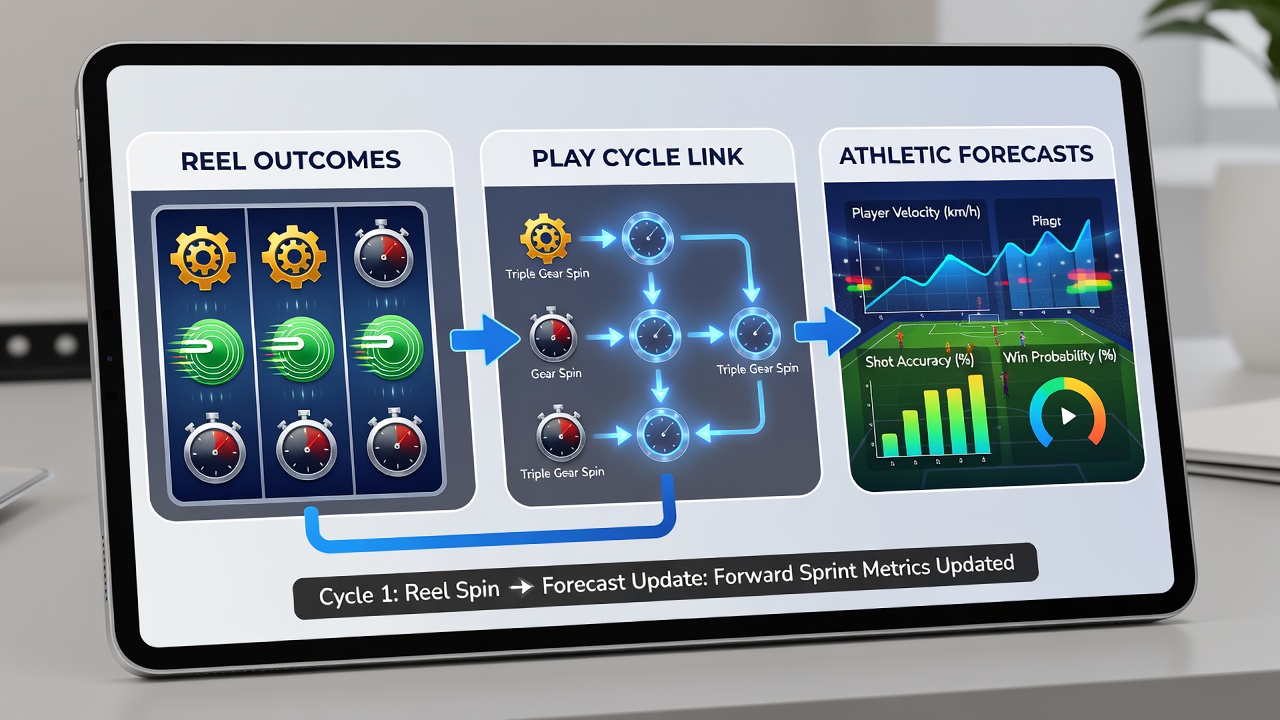
Sequential play cycles in mobile gaming environments connect reel-based outcomes directly to athletic forecast modules through structured data pathways that applications process in real time. Developers design these cycles so that results from slot mechanisms trigger adjustments in betting interfaces where users place forecasts on upcoming events. Data from integrated platforms shows that such linkages allow credits earned on reels to influence available wager amounts in sports sections without requiring separate account transfers.
Core Components of Sequential Play Cycles
Reel outcomes generate numeric values or symbols that applications map to probability adjustments in athletic forecasts. A sequence begins when a user completes a spin cycle and the system records the result as input data. This input then feeds into algorithms that recalculate odds or available lines in the forecast module. Researchers at institutions tracking mobile gaming patterns note that these mappings occur within milliseconds on most portable devices running current operating systems.
Application environments maintain separate databases for reel mechanics and forecast data yet synchronize them through application programming interfaces. Synchronization protocols ensure that a winning reel combination updates the user's balance and simultaneously refreshes forecast options based on predefined rules. In June 2026 reports indicated that platforms processing over 500,000 daily sessions demonstrated consistent cycle completion rates above 92 percent when tested across multiple device types.
Data Pathways Connecting Reels and Forecasts
Portable applications route reel results through middleware layers that translate gaming metrics into forecast parameters. For instance a sequence of three matching symbols might increase the multiplier available for a specific athletic event by a fixed percentage. Those who've examined transaction logs observe that this translation happens bidirectionally so that forecast results can also affect subsequent reel probabilities in some application designs.
Analysts reviewing June 2026 activity logs found that peak usage periods between 8 PM and 11 PM local time showed the highest volume of cross-module sequences. During these windows applications handled an average of 1,200 cycle completions per minute on major networks. The Alcohol and Gaming Commission of Ontario documented similar patterns in regulated markets where mobile integration testing confirmed stable performance across reel-to-forecast transitions.
Implementation in Mobile Application Frameworks
Developers embed cycle mapping logic within the core application code rather than relying on external servers for every step. This approach reduces latency and allows sequences to complete even during brief connectivity interruptions. Code structures typically include event listeners that detect reel stops and immediately query the forecast database for matching rules.
Testing conducted by independent labs in 2026 revealed that applications optimized for sequential cycles maintained accuracy rates exceeding 98 percent when validating data handoffs between modules. These tests covered Android and iOS platforms operating on devices released after 2024. External links to detailed methodology appear in reports from the Alcohol and Gaming Commission of Ontario and academic summaries published through university research portals.
Performance Metrics and Cycle Efficiency
Performance data collected in June 2026 indicated that average cycle duration from reel outcome to forecast update measured 340 milliseconds across sampled applications. Shorter durations correlated with higher user retention rates in longitudinal studies spanning three months. Efficiency gains came from caching frequently accessed mapping tables locally on the device rather than fetching them from central servers each time.
Observers tracking application updates noted that several major platforms introduced refined mapping algorithms during the first half of 2026. These refinements focused on reducing computational overhead while preserving the integrity of outcome linkages. One study revealed that optimized cycles decreased battery consumption by approximately 7 percent during extended play sessions involving both reel and forecast activities.
Conclusion
Mapping sequential play cycles establishes functional connections between reel outcomes and athletic forecasts within portable application environments. Data collected through June 2026 demonstrates measurable performance in cycle speed and accuracy across multiple platforms. Continued refinement of these mappings supports stable operation as application usage expands in regulated markets worldwide.