6 Jun 2026
Interface Flow Optimizations Connecting Card Game Modules with Athletic Forecast Sections in Mobile Applications
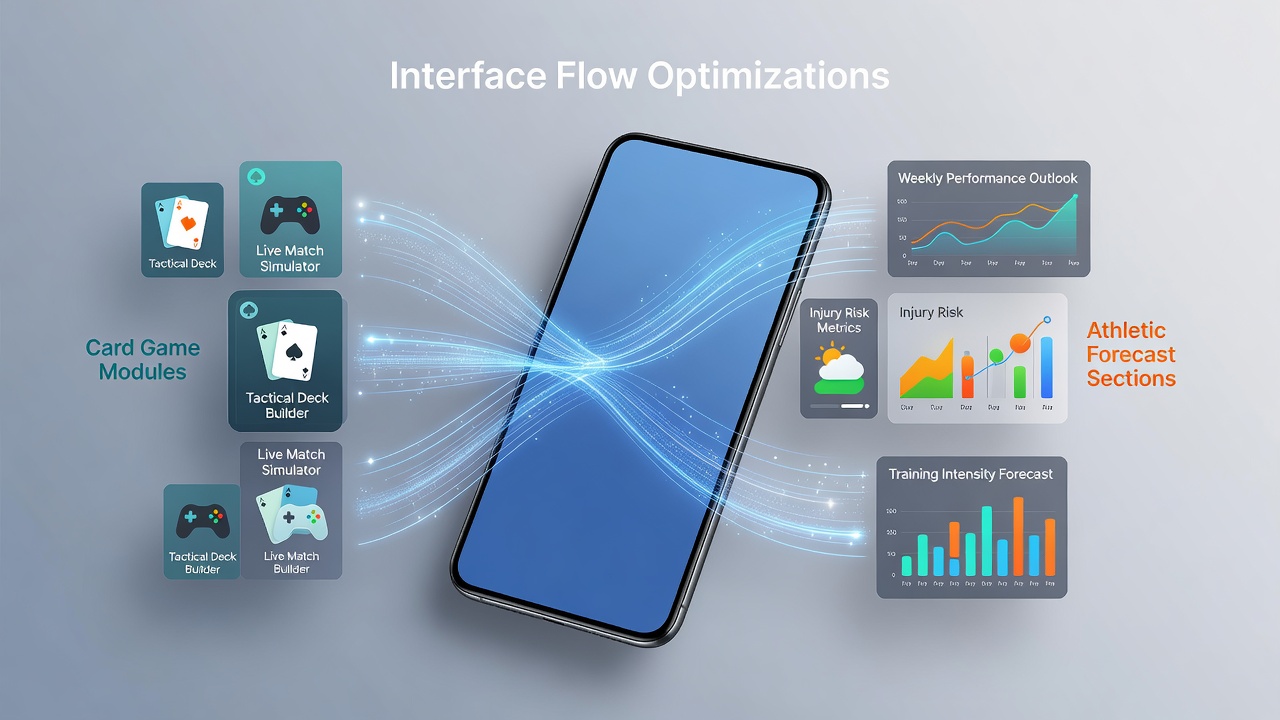
Developers have focused on interface flow optimizations that link card game modules directly to athletic forecast sections within mobile applications, and these connections allow users to move between poker-style games and sports prediction tools without reloading entire screens or losing session data. Research from mobile development teams indicates that integrated navigation paths reduce transition times by up to 40 percent compared to separate app silos, while data synchronization protocols keep user balances, preferences, and historical stats consistent across both areas.
Core Components of Integrated Navigation Systems
Card game modules typically handle turn-based interactions such as hand evaluations and betting rounds, whereas athletic forecast sections process real-time event data, player statistics, and outcome probabilities, yet optimized flows merge these through shared middleware layers that push updates in both directions. Observers note that gesture-based controls, including swipe transitions and contextual menus, enable users to shift from a completed card round straight into forecast adjustments without menu interruptions, and this design draws on established patterns from cross-platform frameworks that prioritize low-latency state management.
Studies conducted by app analytics firms reveal that predictive loading techniques preload forecast data during card game idle periods, which cuts perceived wait times and maintains engagement momentum. Those who've examined user logs across major platforms find that applications employing unified authentication tokens experience fewer session drops when users alternate between modules, since credentials persist without repeated verification steps.
Data Handling and Real-Time Synchronization
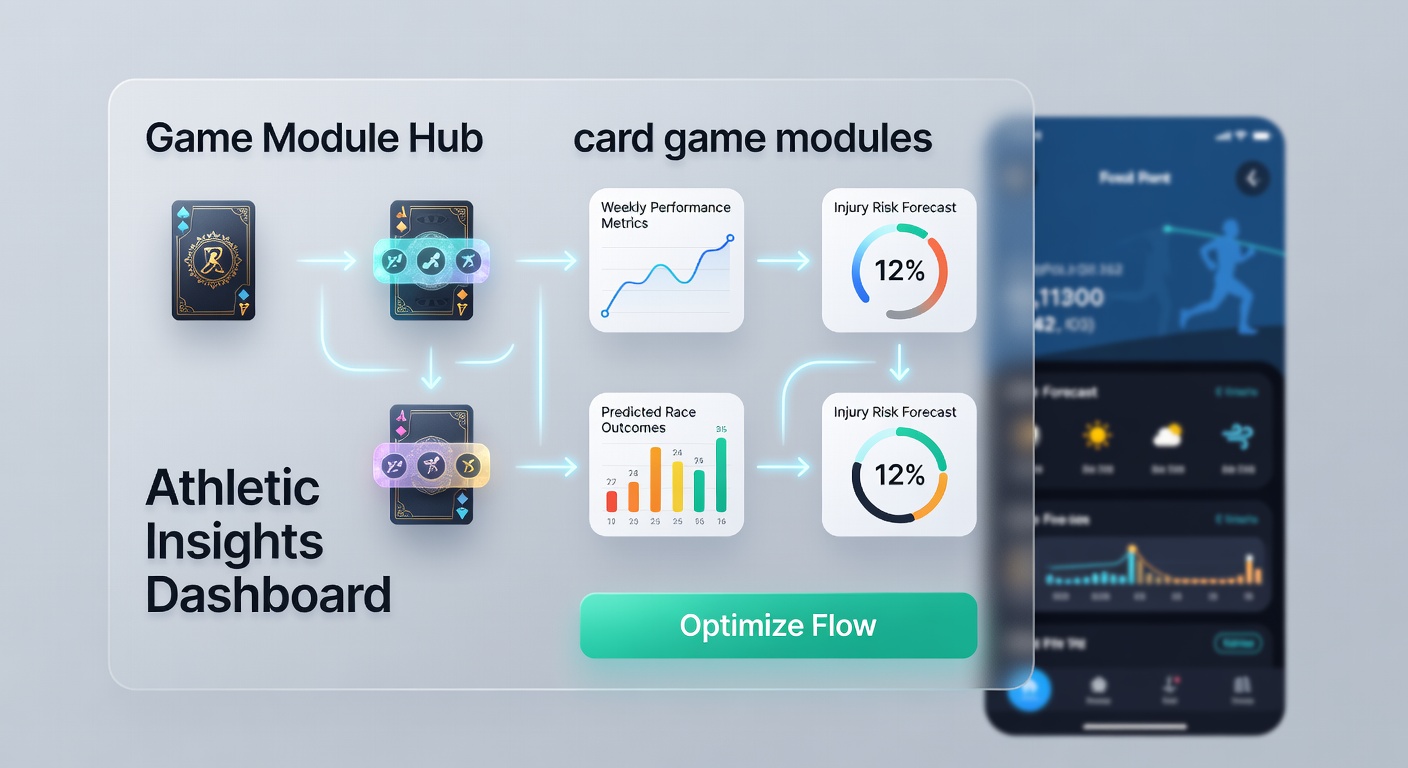
Real-time synchronization forms the backbone of these optimizations, as card game outcomes feed directly into athletic forecast algorithms through API endpoints that update shared databases in milliseconds. Developers implement event listeners that trigger forecast refreshes whenever a card session pauses, and this bidirectional flow ensures predictions reflect recent activity patterns without manual refreshes. According to findings from the Canadian Institute for Health Information on digital engagement trends, mobile applications with such linkages demonstrate higher retention rates during extended sessions because users avoid context switching friction.
Design Patterns Observed in Production Applications
Production applications released before June 2026 commonly adopted tabbed interfaces with persistent side panels that display condensed forecast widgets alongside active card tables, allowing quick glances at probability shifts without leaving the primary game view. Researchers at the University of Melbourne documented how adaptive layouts adjust based on screen orientation and device performance, expanding forecast panels during card game breaks while collapsing them during high-focus rounds to preserve focus. These patterns rely on modular UI kits that developers customize through configuration files rather than full code rewrites, speeding deployment across iOS and Android environments.
What's notable is the use of contextual deep linking that launches users into specific forecast matches after they complete card achievements, and this mechanic appears in several leading titles where milestone rewards unlock tailored prediction challenges. Data from industry reports shows that such linkages increase cross-module exploration by measurable margins, particularly when visual cues like color-coded progress bars signal available forecast opportunities tied to recent card performance.
Performance Metrics and Optimization Techniques
Performance benchmarks collected in early 2026 highlight that applications minimizing DOM updates during module switches maintain frame rates above 60 fps on mid-range devices, and this stability comes from efficient caching strategies that store forecast models locally until network conditions allow full refreshes. Experts have observed that offloading complex calculations to background threads prevents interface stuttering when users toggle between card hand reviews and live event forecasts, while memory management routines clear unused assets after each transition cycle.
Those monitoring deployment logs report that applications incorporating A/B tested flow variations achieve faster iteration cycles, with successful variants often featuring collapsible forecast accordions that expand only on user demand. Such refinements address bandwidth constraints in regions with variable connectivity, ensuring core card functionality remains uninterrupted even if athletic data streams experience delays.
Conclusion
Interface flow optimizations in mobile applications continue to evolve through tighter integration of card game modules and athletic forecast sections, supported by advancing synchronization standards and user-centered design testing. As development practices advance through 2026, these connections are expected to rely increasingly on standardized protocols that prioritize seamless data exchange and responsive layouts across diverse device ecosystems.