13 Jun 2026
Interface Designs That Channel Accumulated Credits From Reel Spinners Into Live Interaction Zones And Athletic Forecast Modules On Portable Devices
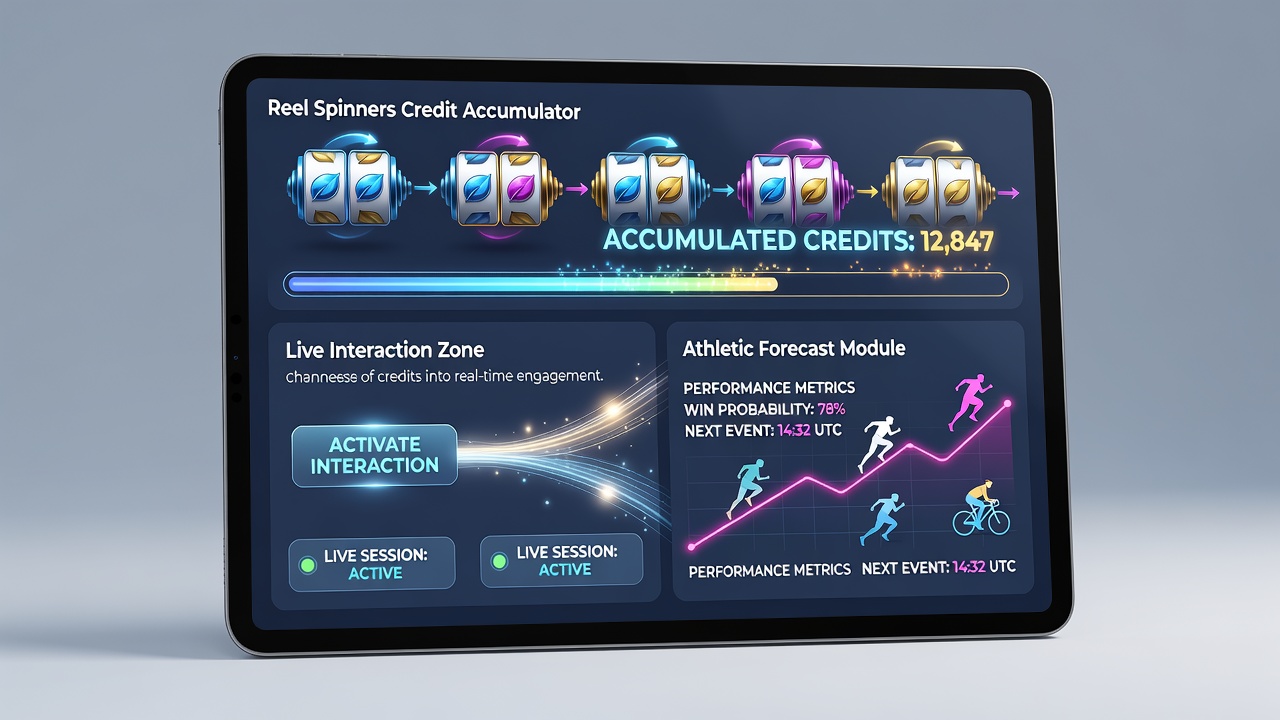 Mobile applications now integrate reel spinner mechanisms with live interaction zones and athletic forecast modules through specialized interface elements that allow direct credit movement across these sections. Developers design unified balance displays that update in real time when players shift accumulated credits from spinning reel games into dealer-hosted tables or event prediction areas. These systems rely on swipe gestures and tabbed navigation panels that maintain session continuity without requiring separate logins or manual balance entries. Design teams employ modular layouts where credit pools appear as persistent side panels or expandable drawers accessible from any game view. When a player completes a reel session, interface prompts present options to route portions of the balance directly into live dealer queues or sports event selections. Data from platform analytics in early 2026 shows these pathways reduce the average time between game type switches by several seconds compared to earlier segregated app structures.
Core Navigation Patterns
Application architects organize content into three primary zones connected by a central credit router. Reel spinner interfaces occupy the initial layer with prominent spin controls and win meters that feed into the router upon session end. Live interaction zones feature video feeds and chat overlays that accept routed credits through quick-select buttons. Athletic forecast modules display odds boards and bet builders that pull from the same shared balance without additional confirmation steps in many implementations.
Observers note that color-coded indicators signal available credit amounts across zones while maintaining visual distinction between game categories. Gesture-based controls such as long-press menus allow users to allocate specific credit segments to upcoming events or dealer rounds. These patterns appear consistently across major portable device operating systems with adjustments for screen size and touch sensitivity.
Technical Integration Methods
Backend protocols synchronize credit states across game engines through encrypted session tokens that update every few seconds. Front-end components render these updates via lightweight animation sequences that highlight balance changes without interrupting ongoing play. Testing reports from development firms indicate that optimized caching reduces data usage during frequent transfers between reel spinners, live zones, and forecast modules.
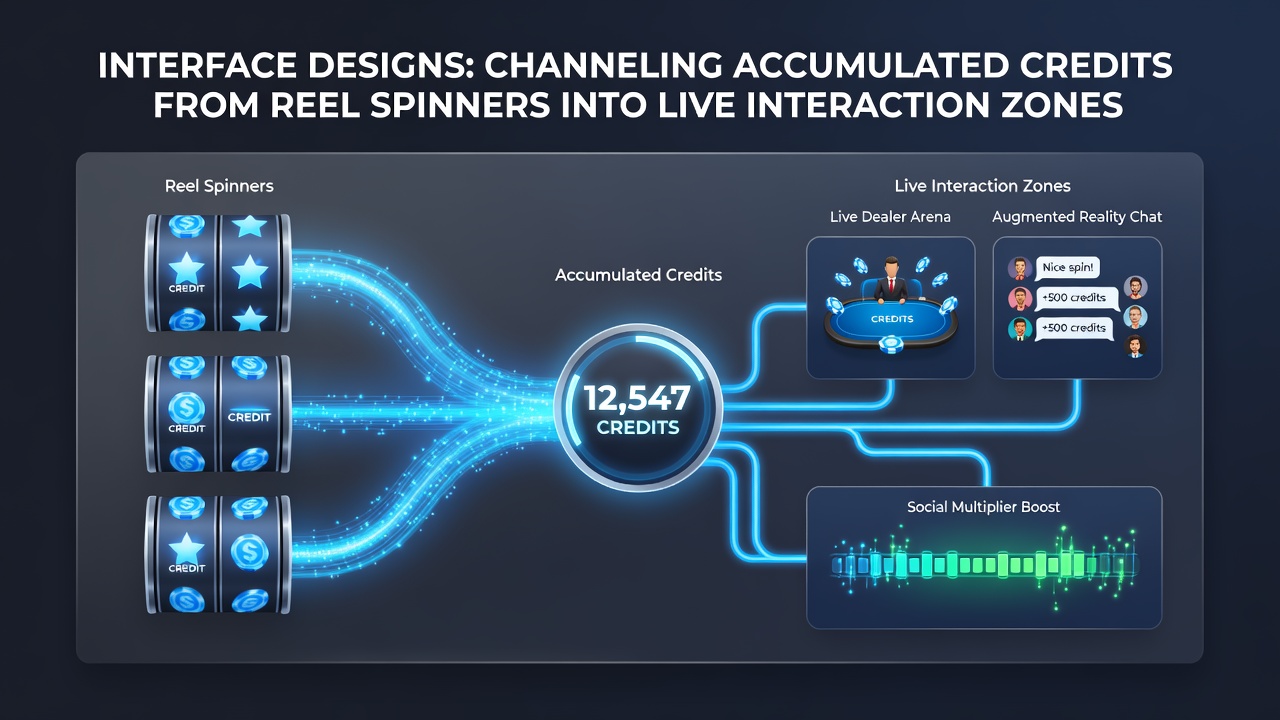
June 2026 platform updates introduced predictive allocation tools that suggest credit splits based on prior user patterns within the same session. These suggestions appear as non-intrusive overlays that users can accept or modify through simple taps. Regulatory filings in multiple jurisdictions document how such features maintain compliance with single-wallet requirements while enabling cross-category movement.
User Flow Examples
One documented sequence begins with a reel spinner session that accumulates credits displayed in a header meter. Upon selecting the live interaction tab, the interface presents a transfer slider calibrated to the current balance. Confirmation triggers an instant update visible in both the live dealer chip stack and the original reel meter. Similar flows extend to athletic forecast modules where pending event selections receive allocated amounts through drag-and-drop style interactions adapted for touchscreens.
Case examples from operator reports describe how these designs accommodate multi-tasking by preserving game states during transfers. A player might leave a reel game mid-bonus round, route credits to a sports selection, then return to complete the original session with updated totals. Interface elements track these movements through expandable history logs accessible from the main navigation bar.
Accessibility and Display Adjustments
Interface specifications incorporate scalable text and high-contrast modes that ensure credit routing controls remain visible under varied lighting conditions common to portable device usage. Developers integrate voice command options for balance transfers in select applications following accessibility guidelines established by international standards bodies. Data collected through user testing sessions reveals consistent performance across device models released through mid-2026.
Design documentation emphasizes responsive layouts that reflow navigation elements when devices switch between portrait and landscape orientations. Credit channel indicators maintain position relative to active game content regardless of screen rotation. These adjustments support uninterrupted movement of funds between reel mechanisms, live dealer environments, and athletic prediction sections.
Conclusion
Interface designs that facilitate credit movement from reel spinners into live interaction zones and athletic forecast modules continue to evolve through iterative updates based on usage metrics and device capabilities. Technical implementations focus on seamless synchronization while preserving game integrity across portable platforms. Observers track these developments through ongoing platform releases scheduled throughout 2026 and beyond.