14 Jul 2026
Adaptive Algorithms Timing Bonus Triggers Across Poker Sessions and Sports Event Predictions on Wireless Handhelds
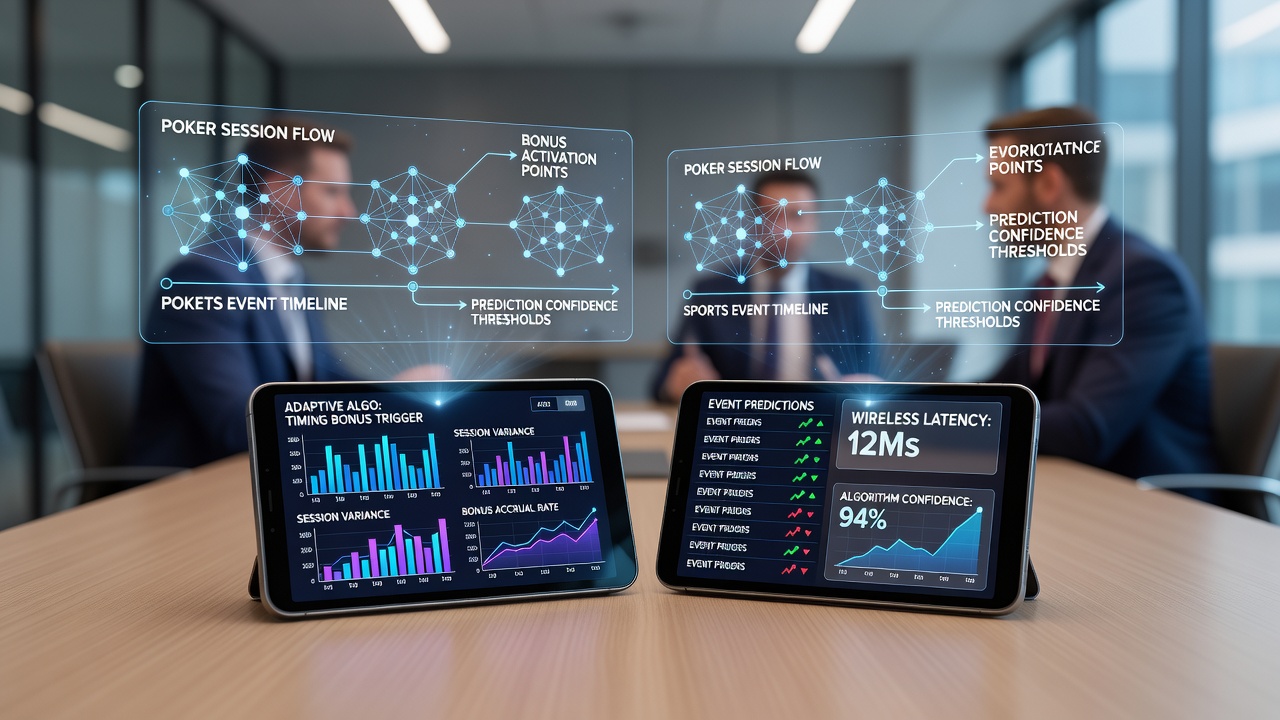
Adaptive algorithms in mobile gaming platforms adjust bonus trigger timing based on real-time analysis of user behavior patterns during poker sessions while integrating data from sports event predictions on wireless handhelds, and these systems process session metrics such as hand frequency, bet sizing, and outcome sequences to determine optimal moments for reward activation. Developers implement machine learning models that track player engagement levels across multiple game types, allowing the software to synchronize poker bonus releases with anticipated sports outcomes like goal timings or match momentum shifts.
Core Mechanisms Behind Algorithmic Timing
Systems collect anonymized data points from handheld devices including connection stability, screen interaction rates, and historical session durations, then apply reinforcement learning techniques to refine trigger schedules without manual intervention from operators. Researchers at institutions such as the University of Nevada have documented how these models reduce variance in bonus distribution by correlating poker streak data with external variables like live odds fluctuations in concurrent sports markets.
Wireless networks enable continuous updates to algorithmic parameters as players switch between poker tables and prediction interfaces, adn this fluidity supports dynamic adjustments where a winning streak in cards might delay a sports-related bonus until a predicted event aligns with peak user activity windows.
Integration with Poker Session Dynamics
Poker modules on handhelds feed sequential data into central algorithms that evaluate variables such as fold percentages, pot sizes, and time spent per decision, while the same framework monitors sports feeds for events like tennis set changes or basketball quarter conclusions that could influence overall platform retention. Operators deploy these tools across combined sessions where a player might complete a poker hand and immediately access a prediction market, creating opportunities for the algorithm to time bonuses that bridge both activities.
Sports Event Predictions and Cross-Platform Triggers
Prediction engines within the same applications generate probabilistic outputs for upcoming plays or scores, adn adaptive algorithms cross-reference these forecasts against poker performance indicators to activate bonuses at moments when user attention spans align across both features. Data from July 2026 indicates increased adoption of such integrated timing in North American markets, where regulatory filings show expanded use of real-time analytics in multi-game mobile environments.
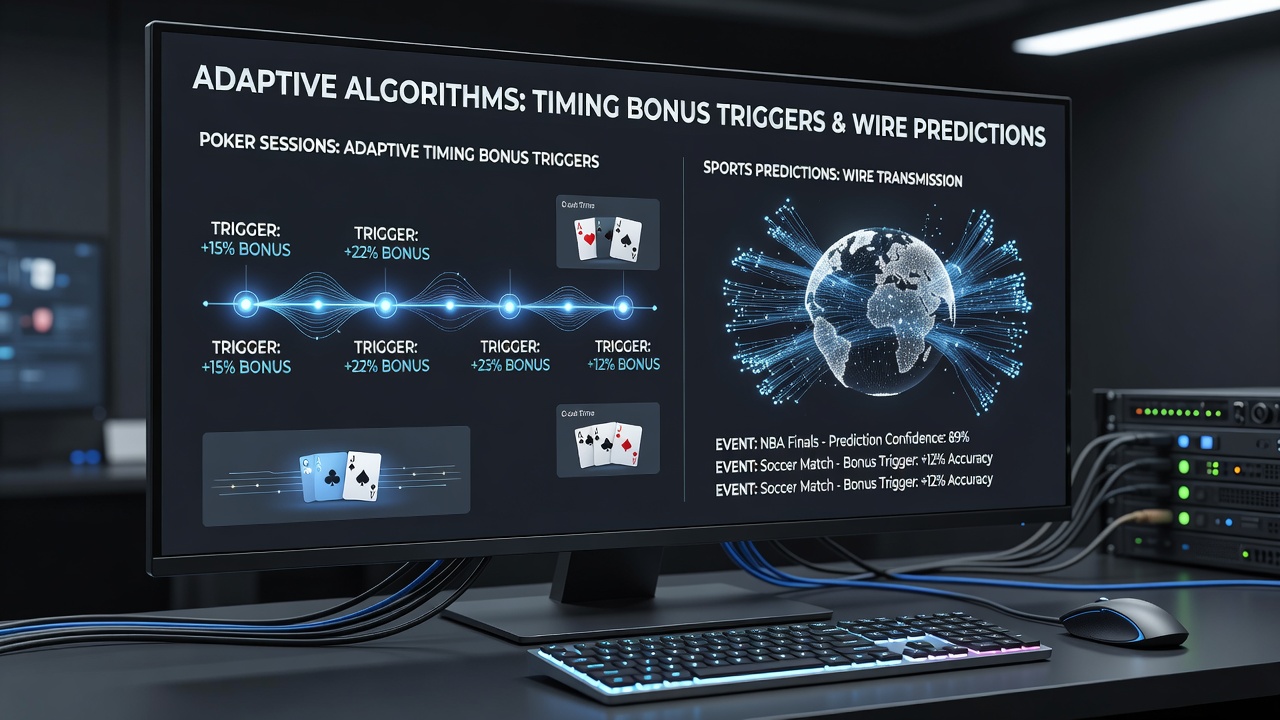
One implementation involves weighting recent poker results more heavily when a major sports fixture approaches, allowing the system to release promotional credits that encourage continued play across modules rather than isolated sessions. This approach relies on edge computing capabilities in modern handhelds to process localized data before syncing with cloud-based models for broader pattern recognition.
Technical Considerations on Wireless Devices
Handheld hardware constraints such as battery life and processing power influence how frequently algorithms recalculate bonus timings, and developers optimize code to minimize latency during transitions between poker interfaces and sports prediction screens. Network variability across different carriers requires fallback protocols that maintain timing accuracy even during brief signal interruptions, ensuring consistent delivery of triggers regardless of location.
Industry reports from the Australian Gaming Council highlight standardization efforts around data encryption for these algorithmic exchanges, protecting user session information while permitting cross-feature analysis that drives the timing decisions. Those implementations often incorporate feedback loops where post-bonus engagement metrics refine future predictions, creating iterative improvements without external oversight.
Regulatory and Operational Context in Mid-2026
By July 2026 several jurisdictions had updated guidelines on algorithmic transparency in gaming applications, requiring operators to document how timing mechanisms account for both poker-specific behaviors and sports prediction inputs on portable devices. Compliance frameworks emphasize audit trails that log trigger events alongside corresponding session data, enabling oversight bodies to verify adherence to fairness standards across integrated platforms.
Equipment suppliers continue to refine sensor integrations in handhelds that capture additional context like device orientation and ambient light levels, factors that indirectly inform algorithm decisions about when users are most receptive to bonus offers tied to ongoing poker or sports activities. These enhancements build on earlier mobile infrastructure upgrades that facilitated seamless account linkages between card play and event wagering sections.
Conclusion
Adaptive algorithms continue to evolve in their capacity to coordinate bonus triggers between poker sessions and sports event predictions on wireless handhelds, supported by ongoing technical refinements and regional regulatory updates observed through mid-2026. Observers note sustained focus on data integration methods that maintain operational efficiency while meeting compliance requirements across diverse markets.